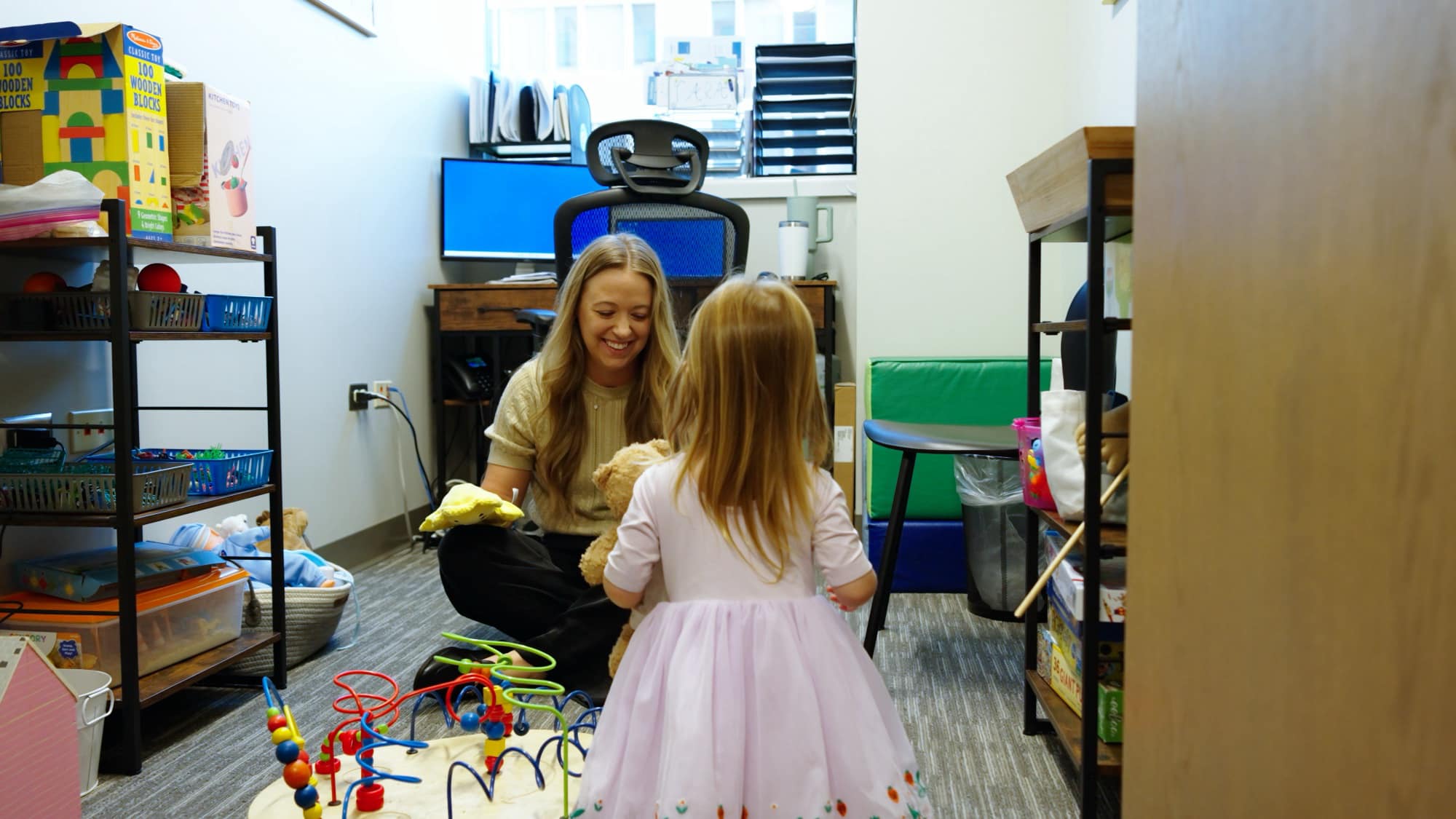
Clarify the pattern
Review when concerns began, where they happen, strengths, and daily impact.
 Schedule Online
Care & Services / ADHD Evaluation & Treatment
ADHD evaluation brings together information from home, school, the child or teen, and the clinical team while considering other conditions that can look similar or occur alongside ADHD.
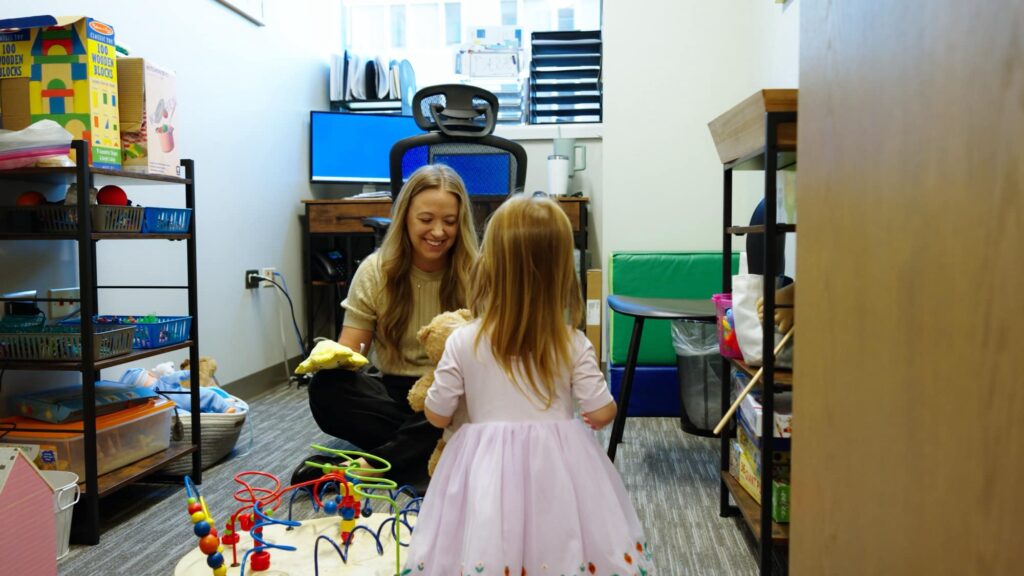
Care built around your child
Attention, activity level, and impulse control can affect learning, relationships, and daily routines. They can also be influenced by sleep, anxiety, depression, learning differences, trauma, medical conditions, environment, or other factors. That is why an ADHD evaluation is a process rather than a quick test.
A structured primary-care evaluation generally includes a clinical history, information from more than one setting, standardized rating scales, review of development and school performance, and screening for other possible or coexisting concerns.
How this care can help
Review when concerns began, where they happen, strengths, and daily impact.
Caregiver, teacher, and age-appropriate child or teen perspectives all matter.
Sleep, mood, learning, language, trauma, and medical factors may overlap.
Review goals, benefits, side effects, growth, functioning, and changing needs over time.

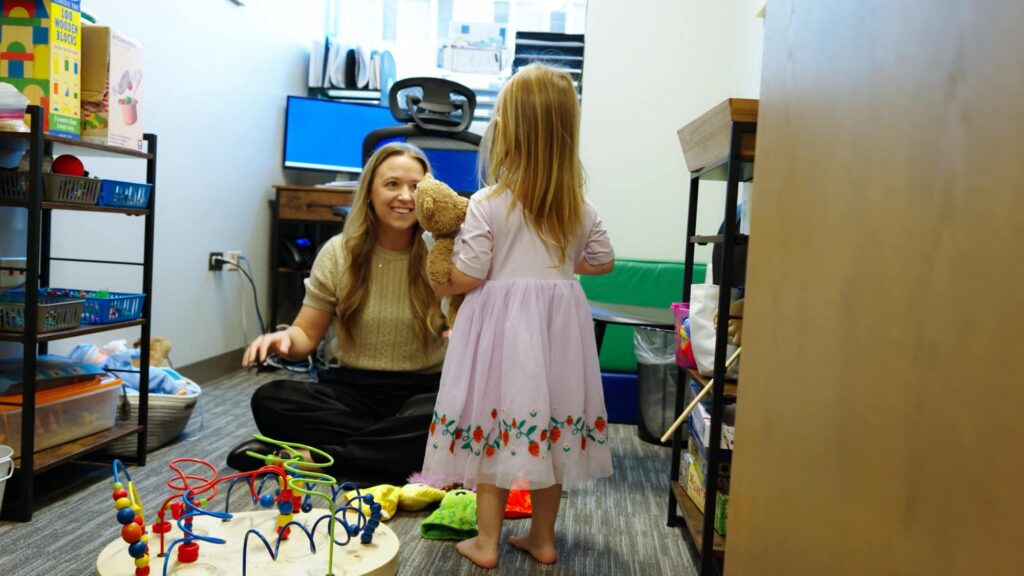
A clear next step
When ADHD is diagnosed, care is individualized. Depending on age and needs, the plan may include parent training or behavioral strategies, classroom supports, medication, healthy routines, and coordination with behavioral-health or school professionals. Some children need outside testing or specialty evaluation.

A member of your care team
Pediatrician
Board-certified pediatrician, practice president, and longtime Denver clinician with a particular interest in adolescent care.
Meet this care team memberHelpful next reads
Helpful before your visit
Schedule on MyChart, or call our office if you’re unsure which appointment best fits your child’s needs.
No. Rating scales support an evaluation but do not replace a complete clinical assessment.
No. Recommendations depend on age, impairment, family priorities, coexisting concerns, and response to available options.
The pediatrician can identify concerns and coordinate next steps, but formal educational or neuropsychological testing may require a school or qualified specialist.
Ready when your family is
Schedule on MyChart or call our office if you need help choosing the right visit or preparing for your child.