The first visit is both a checkup and a conversation
Most newborns need an office visit within a few days of birth or shortly after leaving the hospital. The exact timing depends on the baby’s age at discharge, feeding, weight, jaundice, hospital instructions, and other medical needs. If you are unsure when to come in, call before discharge or as soon as you are home.
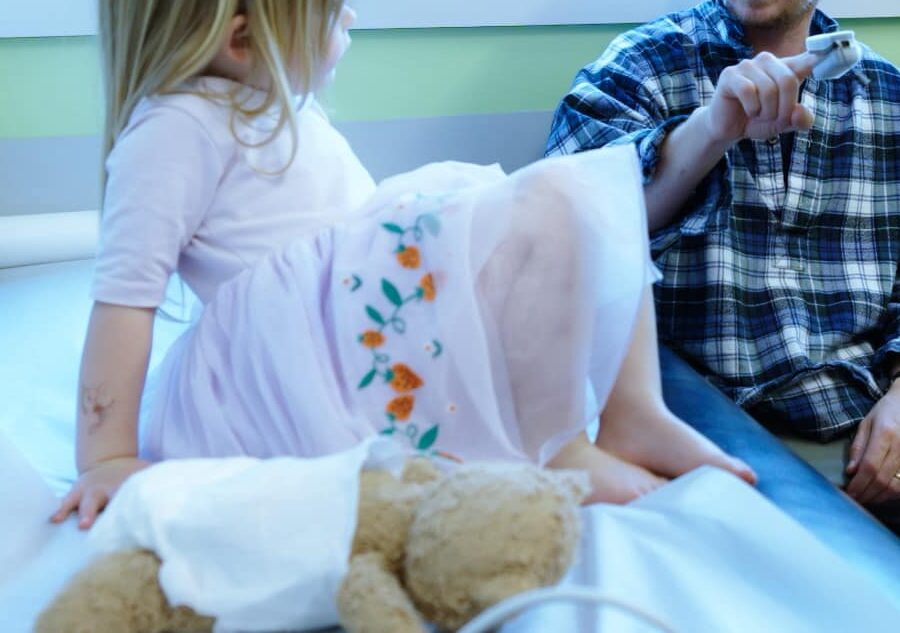
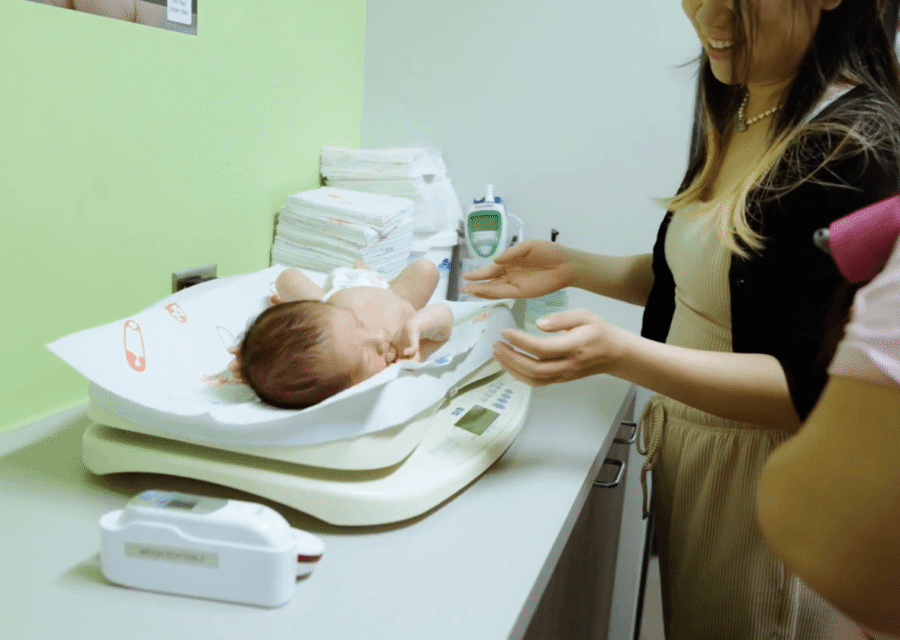
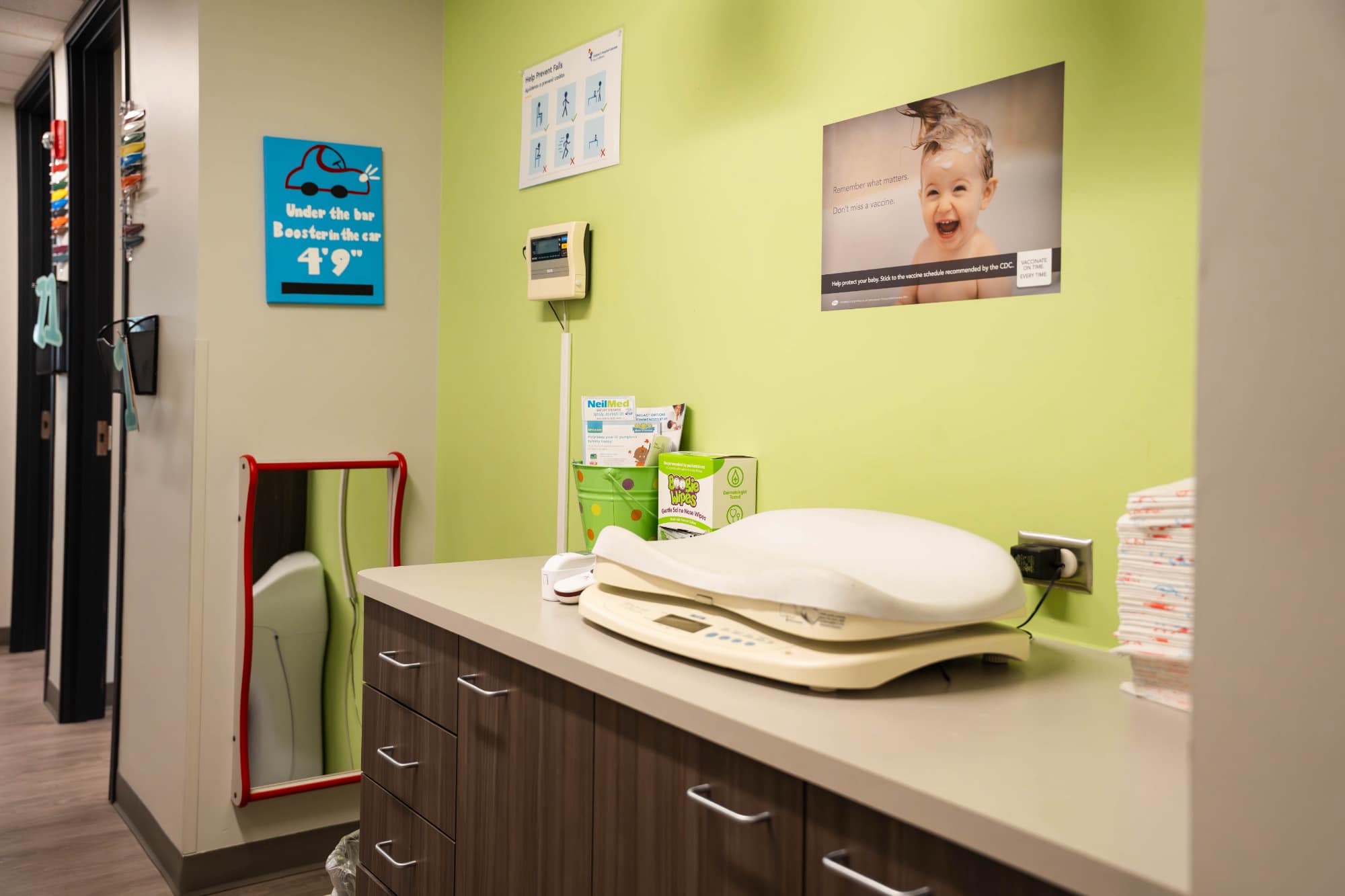
At the visit, the care team will review the pregnancy and birth history, hospital course, newborn screening information, medicines or supplements, and any concerns noted before discharge. Your baby will be weighed and examined. The clinician will look at growth, hydration, skin color and jaundice, breathing, heart, hips, abdomen, umbilical cord, reflexes, and other age-appropriate findings.
Feeding and diapers tell an important story
Expect questions about how often your baby feeds, whether feeding is comfortable, how long feeds take, and what you notice afterward. The team will also ask about wet and dirty diapers. These details, together with weight and the examination, help show whether feeding is working and whether more support is needed.
Families may breastfeed, pump, formula feed, use donor milk under medical guidance, or combine methods. Be honest about what is happening rather than what you hoped would happen. The purpose is not to grade your feeding method. It is to protect nutrition, growth, caregiver health, and a sustainable family plan.
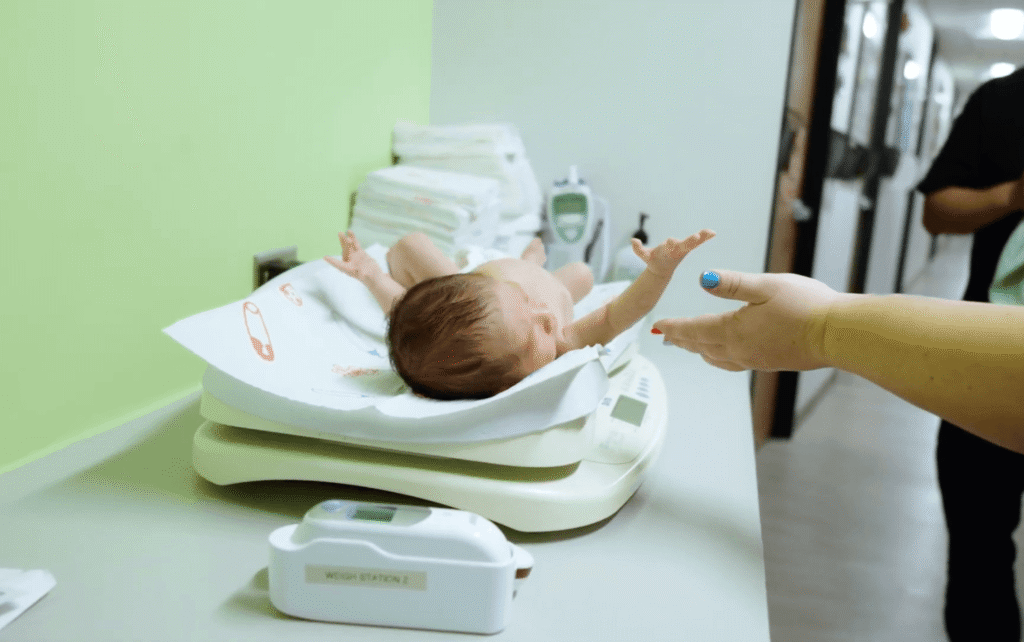
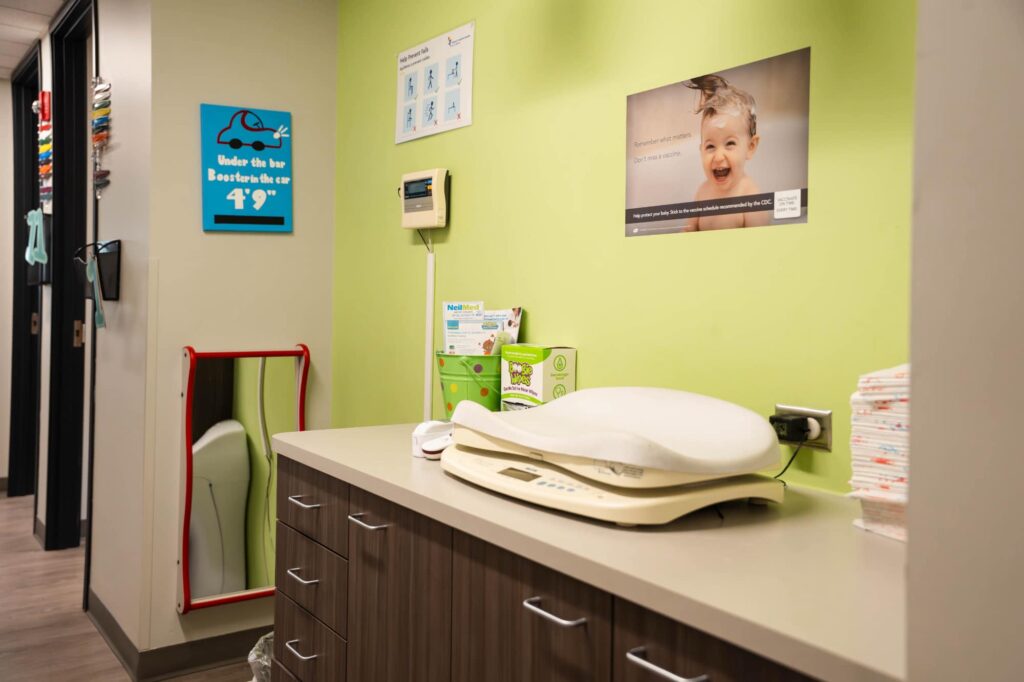
Bring what you have
Bring hospital discharge paperwork, available newborn-screening information, the insurance card, parent or guardian photo identification, and a list of questions. If you track feeds and diapers, bring that record. Ask the scheduling team whether it would be helpful to bring bottles, formula information, a pump, or other feeding equipment.
Your questions may include safe sleep, jaundice, bathing, umbilical-cord care, crying, temperature checks, visitors, vitamin D, car seats, sibling adjustment, or what is normal during the first week. Write down the top few questions before the visit; tired new parents should not have to rely on memory.
Know when to call sooner
Do not wait for the scheduled appointment if your baby is difficult to wake for feeds, is feeding poorly, has fewer wet diapers than expected, develops worsening jaundice, repeatedly vomits, has breathing or color changes, or simply seems much less well. A rectal temperature of 100.4°F (38°C) or higher in a baby younger than 3 months needs prompt medical evaluation. Call 911 for severe breathing trouble, blue or gray color, unresponsiveness, or another life-threatening emergency.
The first visit is the beginning of a relationship. Bring your baby, your questions, and the real version of how the first days are going.