When possible, call Sapphire Pediatrics first
When possible, contact Sapphire before choosing urgent care or the emergency department. We know your child’s history, medications, allergies, growth, and previous concerns. That context can help the team recommend the safest next step and keep follow-up connected to your child’s medical home.
For a life-threatening emergency, call 911. Examples include severe trouble breathing, blue or gray lips, unresponsiveness, a serious injury, uncontrolled bleeding, a prolonged seizure, or a child who cannot be kept safe.
When the pediatrician is usually the best first call
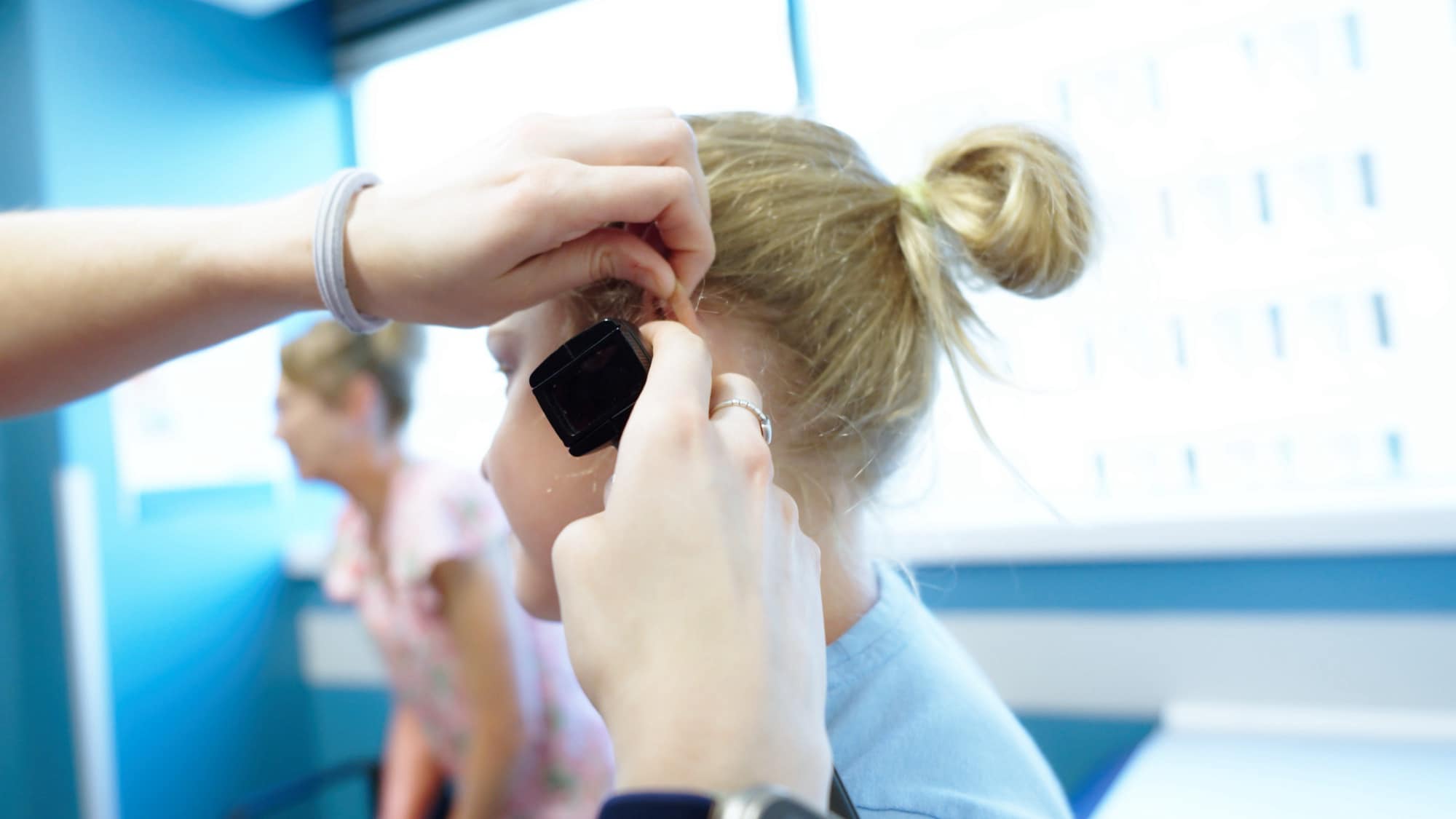
For non-life-threatening concerns, the pediatric office can often evaluate common illnesses, mild asthma symptoms, rashes, ear pain, sore throat, vomiting, diarrhea, possible dehydration, and selected minor injuries. Schedule on MyChart or call early in the day when you hope for a same-day visit. Be ready to describe your child’s age, symptoms, temperature, breathing, hydration, pain, injury details, and what you have already tried.
For additional general guidance, review the Children’s Colorado Symptom Checker (opens in a new tab) .
Even after hours, on weekends, or on holidays, call Sapphire first when it is safe to do so and follow the current phone instructions. Many conditions can wait to be seen in the office, while others need urgent or emergency care. Do not wait for a return call when your child appears to have a life-threatening emergency.
Where urgent care fits
Urgent care can be useful for a problem that should not wait for the pediatric office to reopen but does not appear life-threatening. Services and pediatric experience vary by center. Some locations do not have child-sized equipment, pediatric clinicians, imaging, or the ability to manage a young infant or complex condition.
If you use urgent care, share the name and location with Sapphire and make sure the visit record is sent. Follow-up with the pediatrician may still be needed, especially if symptoms persist, a new medication was started, or test results are pending.
When the emergency department is the right setting
Emergency departments are equipped to stabilize serious illness and injury, perform broader testing, provide continuous monitoring, and arrange hospital care. Call 911 rather than driving when emergency transportation is the safer choice.
Children’s Colorado: Emergency and Urgent Care Infographic (PDF)
Special situations should lower the threshold to call
Age, health history, and the speed of change matter. A baby younger than 3 months with a rectal temperature of 100.4°F (38°C) or higher needs prompt medical evaluation. Children with complex medical conditions may need a different plan than otherwise healthy children with the same symptom.
If your instinct says your child is rapidly worsening or cannot safely wait, seek urgent help. It is better to escalate a serious concern than to rely on a website checklist when the child in front of you looks very ill.