Two visits with different jobs
The phrases “sports physical” and “sports medicine visit” sound similar, but they answer different questions. Choosing the right appointment helps the clinician allow enough time and helps your family arrive with the information needed.
A sports physical—also called a preparticipation physical evaluation—asks: Is there a health issue that could make participation unsafe or require a modification? A sports medicine visit asks: What is causing this injury, pain, or activity problem, and what is the safest plan now?
What happens at a sports physical
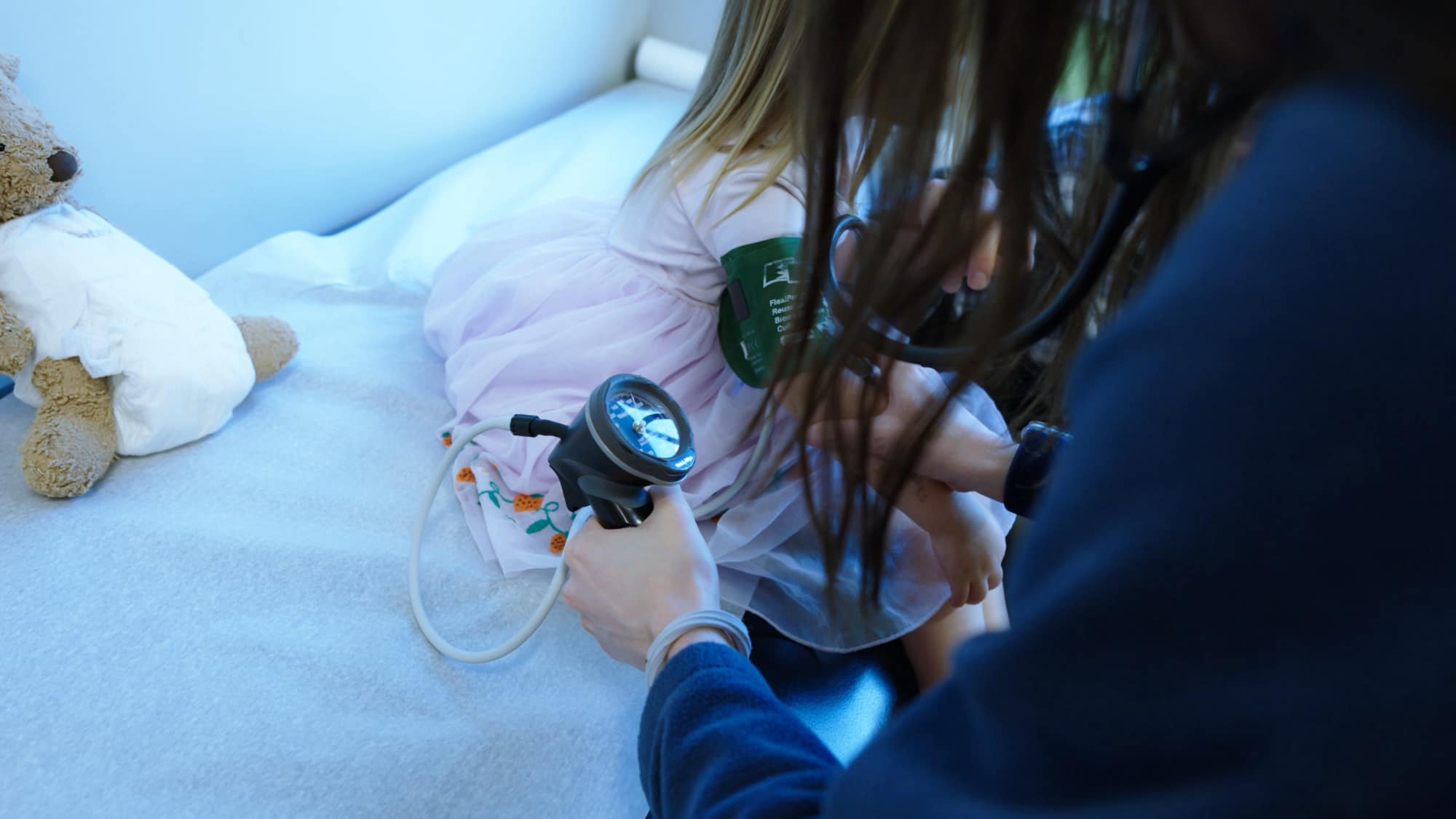
A preparticipation evaluation is part of routine health supervision for young athletes. The clinician reviews personal and family history, medications, allergies, previous injuries, exercise symptoms, nutrition, emotional health, and other concerns. The examination generally includes vital signs, vision, and focused attention to the heart, lungs, nervous system, and musculoskeletal system.
Bring the exact school, team, or camp form with the parent section completed. Mention fainting, chest pain, unusual shortness of breath, a family history of sudden or unexplained death, previous concussion, current pain, or any restriction. A signature or clearance may need to wait if records are missing or the evaluation finds a concern that needs follow-up.
What happens at a sports medicine visit
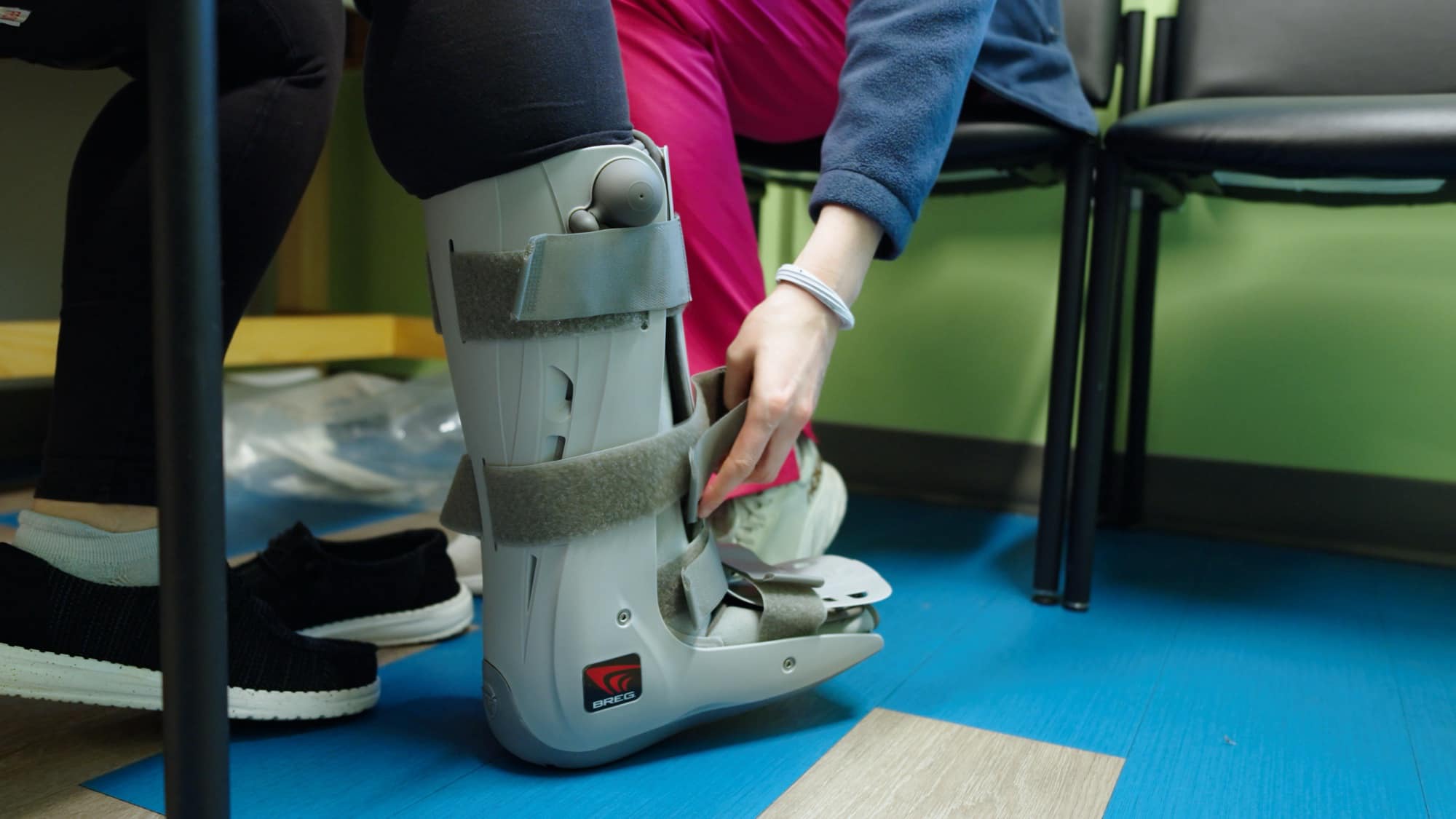
A sports medicine appointment focuses on a specific problem: a new injury, pain that returns with activity, an overuse concern, a possible concussion, reduced function, or difficulty returning after time away. The clinician may review training load, mechanics, recovery, sleep, nutrition, school demands, and the athlete’s goals, then perform a focused examination.
The plan may include activity modification, rehabilitation, home care, follow-up, imaging or specialist referral when needed, and a gradual return-to-activity plan. Imaging is not automatic. The history and examination help determine whether it is useful.
When you may need both
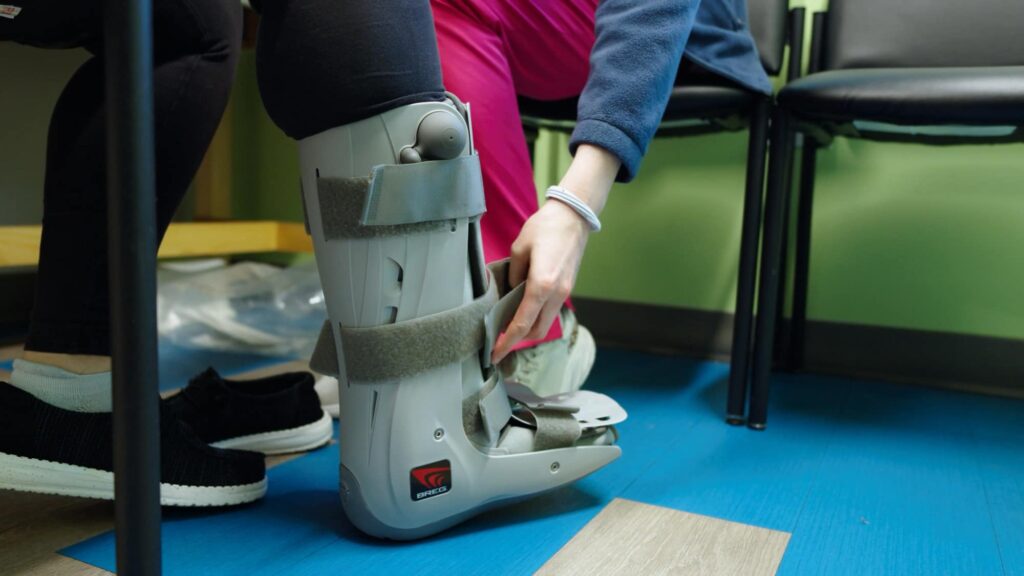
A child with an annual sports form and an active knee injury may need a complete preventive visit plus a focused sports medicine assessment. One appointment may not provide enough time for both. Tell the scheduling team about the form, deadline, and current symptoms so the right visit or visits can be arranged.
If a school or team has a deadline, schedule early. Forms may require a complete health history, an up-to-date preventive examination, outside records, or follow-up before a clinician can sign. Bring the original form rather than assuming every organization uses the same requirements.
Stop activity and call for guidance when participation causes significant pain, changes the way the athlete moves, worsens symptoms, or raises concern for concussion or serious injury. A life-threatening injury needs emergency care.
The goal is not simply to produce a clearance note. It is to help a growing athlete participate as safely and confidently as their health allows.